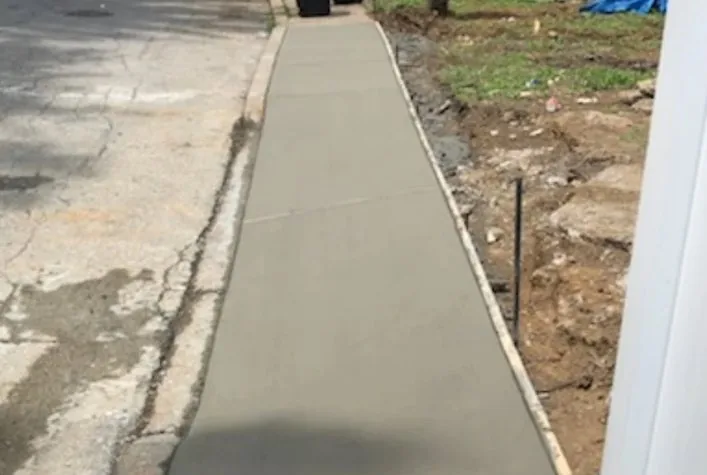
Short answer: in Seattle, if a sidewalk runs alongside your property, you are usually the one responsible for keeping it in safe, walkable condition. That includes trip hazards, cracks, settled panels, vegetation growing through joints, and snow or ice removal. Here's how the rules actually work and what to do if you get a notice from the City.
The Legal Basis
Seattle Municipal Code (SMC 15.72) puts sidewalk maintenance on the "abutting property owner." That's a polite way of saying: if it's in front of your house, it's on you. The Seattle Department of Transportation (SDOT) periodically inspects sidewalks and issues repair notices when slabs are damaged enough to create a public hazard.
If a pedestrian trips and is injured, the property owner can be held liable—including legal fees and damages. That's why we always recommend handling visible hazards proactively.
What Counts as a "Trip Hazard"?
The City of Seattle uses a half-inch vertical displacement as the practical threshold for action. If one slab is more than ½ inch higher than its neighbor without a beveled transition, it's a trip hazard. Other defects that get flagged: cracks wider than ½ inch, missing chunks of concrete, slabs that rock when stepped on, and walkways with severe surface spalling.
What to Do If You Get an SDOT Repair Notice
First, don't panic. Notices typically give you 60-90 days to address the issue. You have three options: grind the hazard down, lift the slab back to level, or replace it. We can usually quote all three within a day so you can pick. Don't ignore the notice. If you don't respond, SDOT can do the work itself and bill you—often at 2-3x what a private contractor would charge—and add the cost to your property tax bill.
Read more about homeowner sidewalk repair.
Who Pays for a Brand-New Sidewalk?
When SDOT builds entirely new sidewalk where none existed, the cost is sometimes shared between the City and the property owner (often through a Local Improvement District). When the sidewalk already exists and just needs repair, the owner pays.
HOAs and Shared Walkways
If your sidewalk is on common HOA property rather than abutting your individual lot, the HOA is responsible for repair. We work directly with HOA boards and property management companies on community-wide programs.
See our HOA Sidewalk Maintenance page.
How We Can Help
We've handled hundreds of SDOT notice responses across Seattle. We'll come out, walk the slabs with you, recommend the cheapest legal fix, pull any required permits, and get you compliant fast. Call (206) 555-0182.
Need a Free Quote?
Free, no-pressure estimates anywhere in Seattle and King County. Same-day replies during business hours.
Get a Free Quote
